Smooth Transition
A reinforced bridge-style lip helps reduce impact as forklifts cross between dock and trailer.

Loading Dock Equipment · Warehouse Loading Series
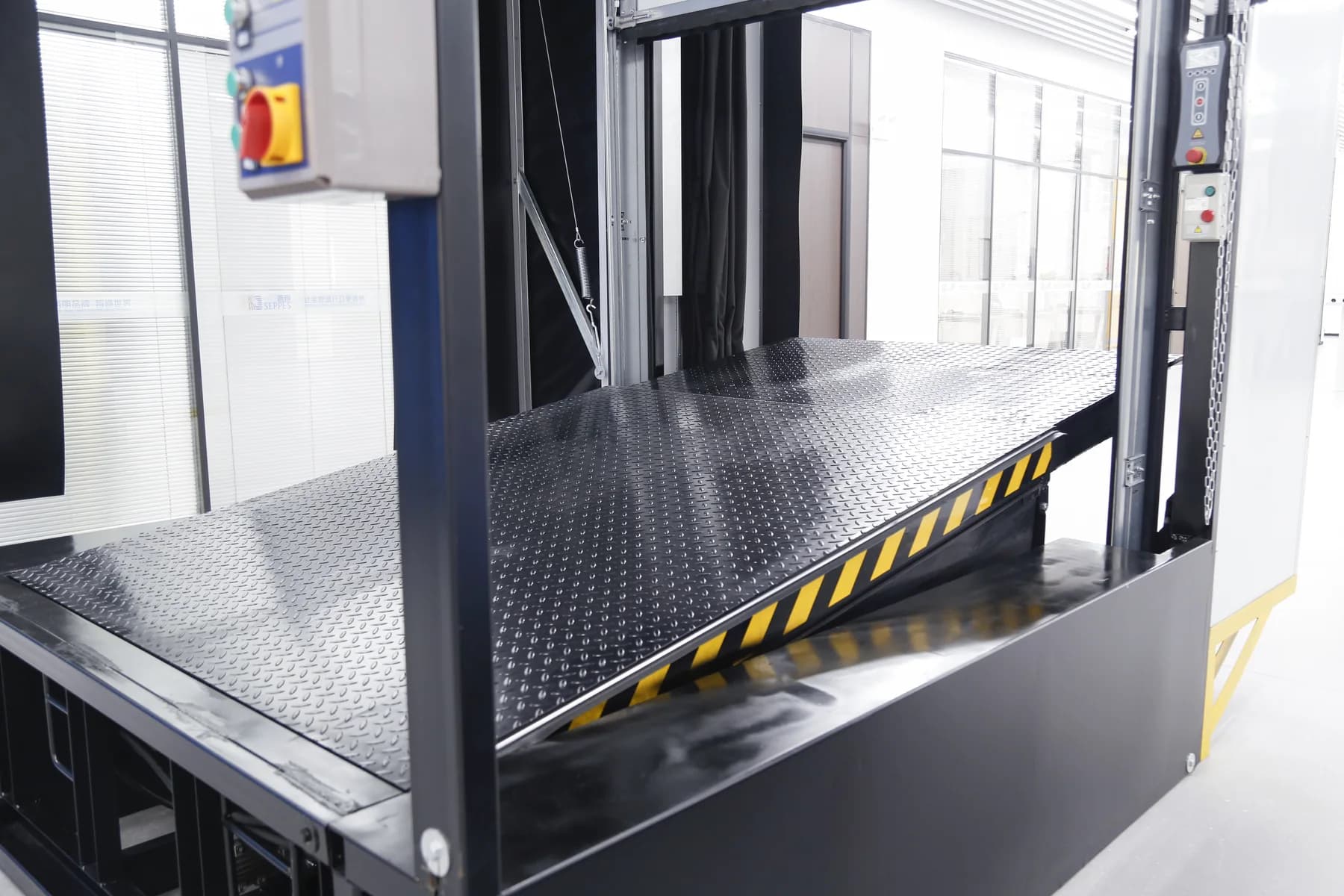
A powered loading bridge that compensates for vehicle height differences and creates a stable route between trailer and warehouse floor.
Safer loading transitions
The controller, hydraulic power unit, platform and lip operate together to form a stable transition between the dock and vehicle. Swing-lip, telescopic and edge-of-dock arrangements address different building and logistics conditions.
Review technical dataA reinforced bridge-style lip helps reduce impact as forklifts cross between dock and trailer.
Powered platform and lip movement give operators a controlled loading sequence.
A welded support frame and patterned deck provide a durable industrial crossing surface.
Swing-lip, telescopic and edge-of-dock solutions fit new construction and retrofit projects.
Product details
Explore the platform construction and available hydraulic and lip configurations.
Flexible side sealing helps close the gap around the platform structure, reducing dust entry and protecting the mechanism from everyday loading-bay debris.
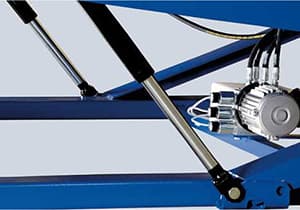
An optional dual-pump hydraulic unit provides controlled lifting and lip movement for stable positioning between the loading bay and vehicle bed.
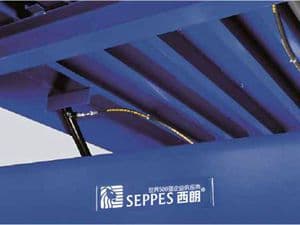
Reinforced steel ribs beneath the main deck distribute working loads and improve structural rigidity during repeated forklift traffic.
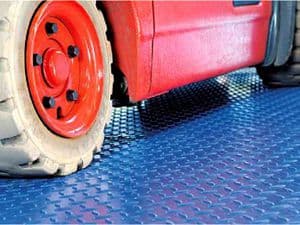
The raised chequered steel surface improves tyre grip and helps forklifts maintain traction while crossing the platform in demanding loading conditions.
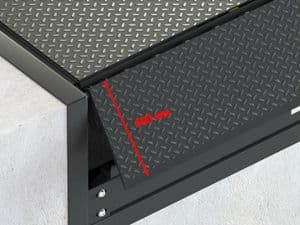
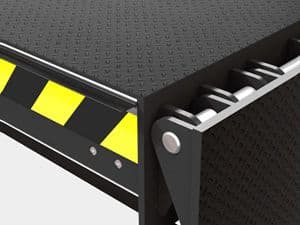
The 400 mm hinged lip provides a practical bridge for standard vehicle positions and supports a smooth transition across the loading gap.
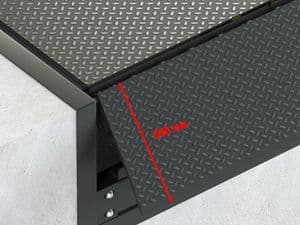
A longer 500 mm lip is available when additional reach is required to accommodate a wider gap or varied vehicle docking position.
Working principle
The operator, hydraulic power unit, platform, lip and safety system coordinate to create and remove the vehicle bridge.
The vehicle reverses into the bay and is secured according to the site procedure.
The hydraulic system lifts the main platform above the trailer bed.
The lip reaches the trailer and the platform lowers to form a stable bridge.
After loading, the platform returns to its parked position inside the dock.
Project planning
A reliable configuration starts with verified site conditions, operating requirements and the intended workflow.
System and parameters
The platform size, load rating, hydraulic unit, lip format and safety accessories must be engineered around the dock structure and vehicle fleet.
Rated capacity, platform dimensions, pit design and accessory package must be confirmed by project engineering before production.
Typical applications
A coordinated dock system can combine the leveler with an industrial door, dock shelter, vehicle restraint and traffic guidance devices.
Configure the system around the opening, traffic pattern, building conditions and safety requirements.
Configure the system around the opening, traffic pattern, building conditions and safety requirements.
Configure the system around the opening, traffic pattern, building conditions and safety requirements.
Configure the system around the opening, traffic pattern, building conditions and safety requirements.
Application examples
These examples show common application directions. Final configuration depends on the verified opening, traffic pattern and operating environment.

A hydraulic platform bridges changing vehicle heights to support repeated forklift movement between dock and trailer.
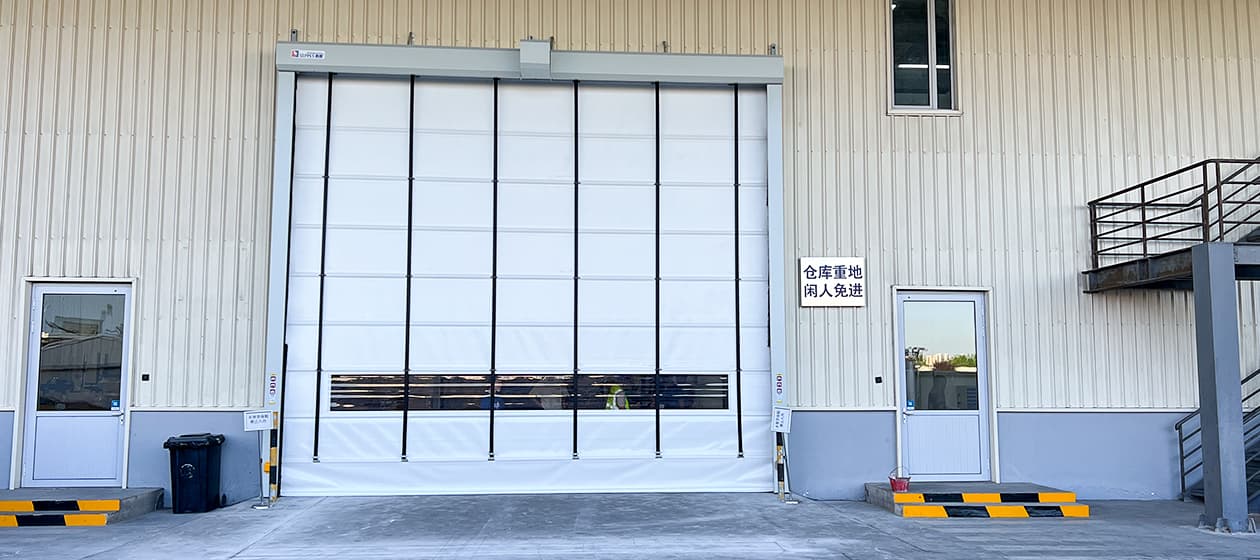
The leveler can be planned with the industrial door, dock shelter and traffic guidance as one loading sequence.
Swing-lip, telescopic and edge-mounted arrangements address different pit, reach and renovation conditions.
Manufacturing and support
SEPPES coordinates opening review, customized production, inspection, packaging, technical documents and remote support for global industrial projects.
FAQ
Use these answers for early planning, then confirm the final configuration in the project proposal.
Swing-lip systems suit many standard pits, telescopic lips provide greater reach, and edge-mounted units help when a pit was not prepared.
Provide dock and pit dimensions, vehicle bed heights, forklift and load data, operating frequency, quantity and project location.
Yes. The loading solution can be coordinated with an industrial door, dock shelter and agreed safety accessories.
Capacity is project-specific and must be selected against forklift axle loads, goods, vehicle conditions and the supporting structure.
Project consultation
Share the dimensions, quantity, application, project location and available photos or drawings.
Prepare your inquiry
Send the details you already have and identify the decisions that are still open.
Continue on WhatsApp